
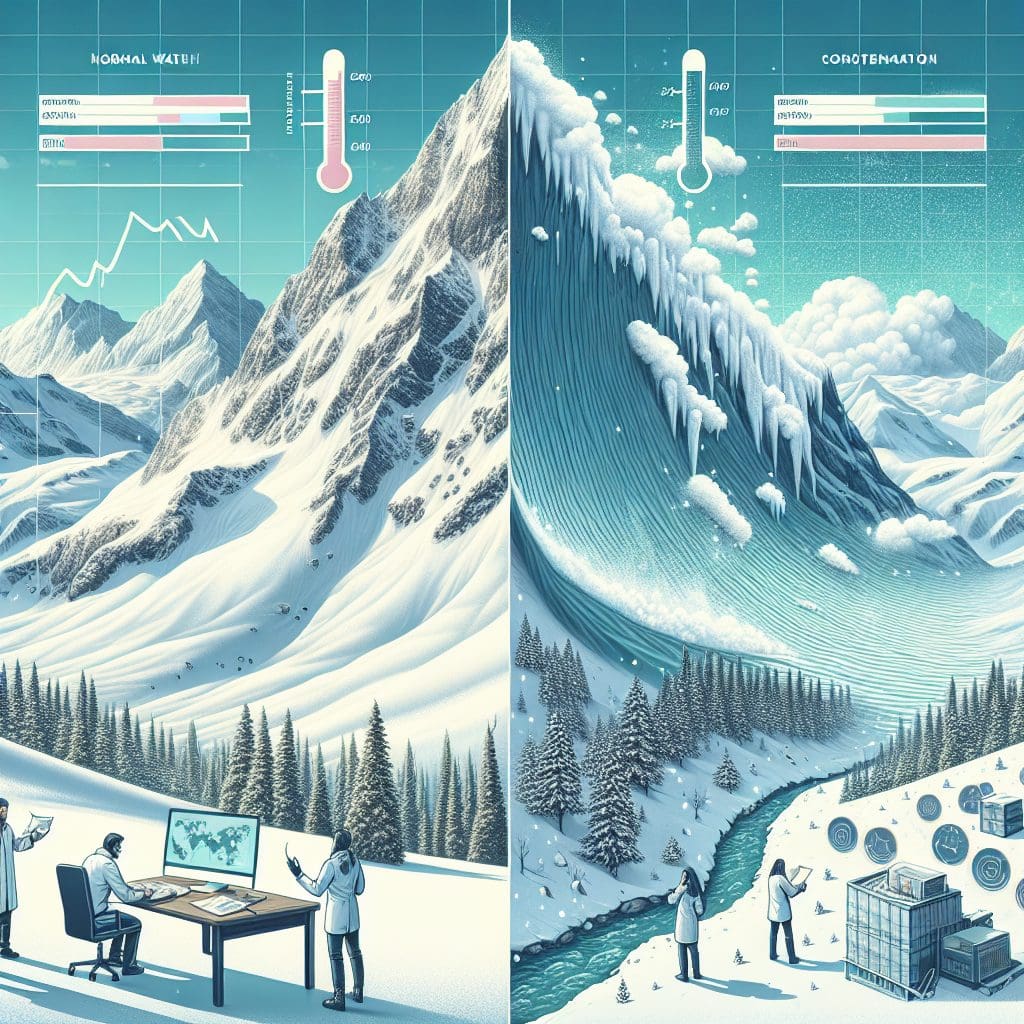

Climate change is significantly impacting avalanches and their prediction. Rising temperatures lead to more frequent freeze-thaw cycles, which destabilize snowpacks and increase avalanche risk. Warmer weather causes more rain on snow, adding weight and creating conditions ripe for avalanches. Additionally, shifting weather patterns create more unpredictability in snowfall, making it harder for scientists to forecast avalanche conditions accurately.
As snowpack stability changes, traditional snowpack models may become less effective. Increased variability in snow conditions complicates avalanche research and the development of reliable prediction systems. Ultimately, the combination of warmer temperatures, altered precipitation, and changing landscapes challenges both outdoor enthusiasts and professionals in avalanche-prone regions. Adapting to these changes requires innovative approaches, improved monitoring technologies, and a deeper understanding of evolving snow dynamics to enhance safety measures and prediction capabilities.

For more details and the full reference, visit the source link below: