
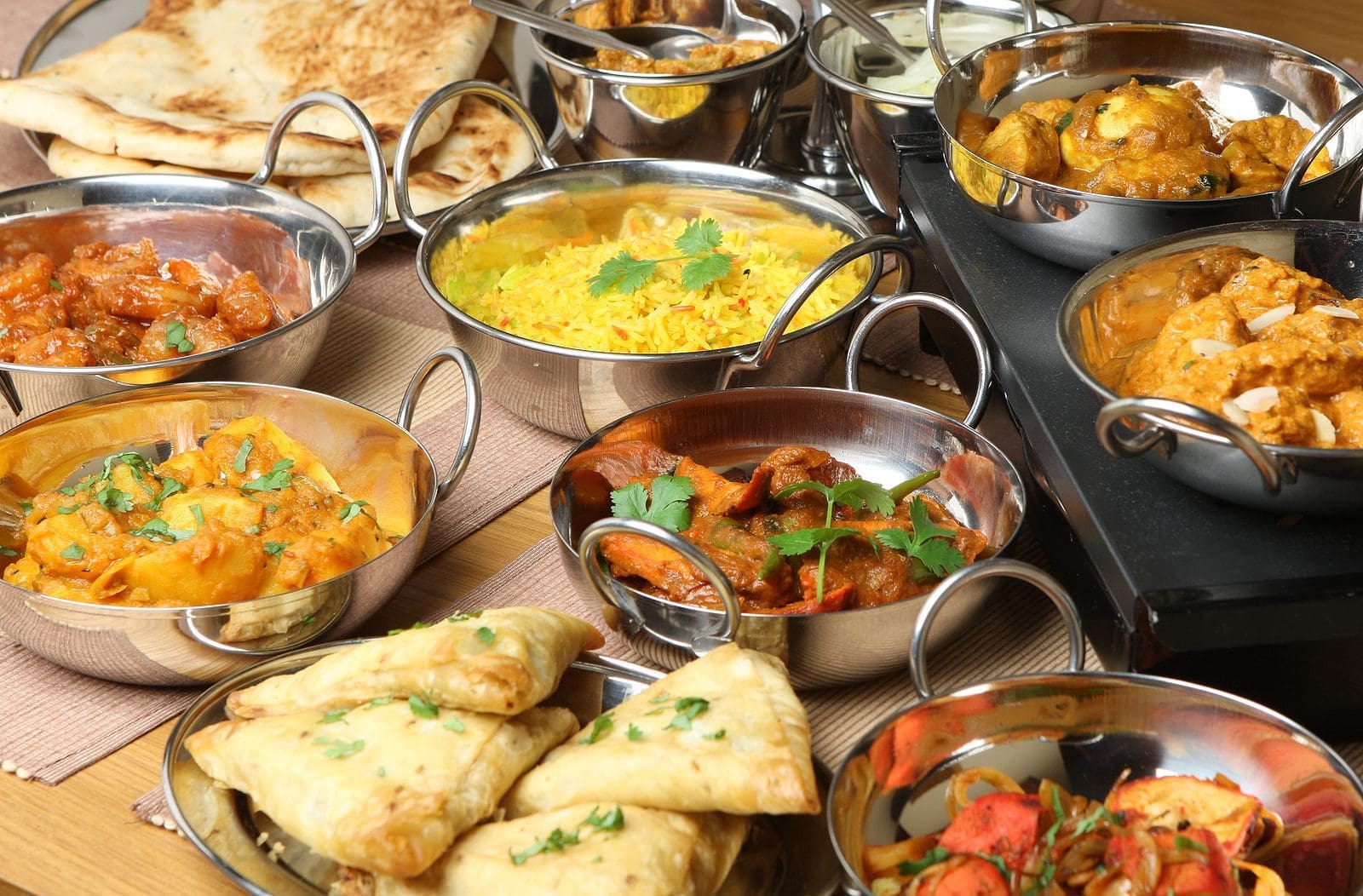

ST. LOUIS, MO – September 3, 2026 (StLouisRestaurantReview) The defining restaurant trend of 2026 is tension on a plate: diners want comfort and surprise, wellness and pleasure, quality and value at once; the National Restaurant Association’s current forecast puts nostalgia, global flavor, protein, lower-alcohol drinks, and affordability near the center of menu development. Whole Foods Market adds fiber-rich products, chef-minded frozen food, vinegar, tallow, and more restrained sweetness, yet none of these ideas wins merely by appearing on a menu. The restaurants gaining attention make a trend taste specific to the kitchen, not copied from a mood board. The smartest menus turn that pressure into a clear, memorable personality.
Comfort Food, With a Passport
Familiar formats remain powerful because guests understand them before the plate lands. In 2026, the surprise sits inside the frame. The National Restaurant Association points to smashed burgers with global personality, Caribbean curry bowls, and restaurant-style instant noodles: affordable shapes carrying bolder seasoning, sharper sauces, and a stronger sense of place.
That balance is harder than it sounds. A chef has to preserve the emotional cue – the crisp edge of a burger, the steam rising from noodles – without flattening another cuisine into decoration. Good versions feel researched and cooked. Weak ones feel renamed.
One practical test is to trace the ingredient, technique, and story behind the menu language. If staff cannot explain those choices plainly, the concept probably needs another round in the kitchen.
Why Is Fiber Leaving the Fine Print?
Whole Foods Market named “Focus on Fiber” one of its major 2026 predictions. The shift moves fiber from the fine print to visible ingredients: beans, lentils, whole grains, seeds, resistant starches, and vegetables with real texture. Protein will not vanish, but the plate is becoming more complete.
For restaurants, the opportunity is culinary, not clinical. A charred cabbage wedge needs acid and smoke, not a lecture. A bean dish earns a repeat order through broth, spice, and contrast. Nutrition may bring a guest to the item once; pleasure brings that guest back.
Value as a Design Constraint
Value isn’t simply the cheapest check. Diners judge whether a meal delivers care, portion logic, ingredient quality, and an experience worth leaving home for. Restaurants are answering with focused menus, high-impact condiments, flexible portion sizes, and humble ingredients treated with precision.
“Freezer fine dining,” another Whole Foods prediction, captures the mood from the retail side. Consumers have grown comfortable keeping polished meals on hand. A restaurant now competes not only with another dining room, but also with an increasingly capable dinner waiting at home.
What Do Digital Casino Menus Demand?
Long menus create excitement until choice turns into noise; casino lobbies work the same way: polished thumbnails are useful navigation, not proof that one game offers better outcomes. An adult assessing a crypto casino online should read payment and withdrawal terms, then check each game’s stated return-to-player rate and volatility before committing money. A random number generator makes valid slot outcomes independent; paying with a digital asset does not alter that mechanism or improve the mathematical edge. A set bankroll, a session limit, and no attempt to chase losses keep paid play proportional to the rest of the evening.
A Larger Role for the Drinks List
The beverage list is no longer an afterthought. The National Restaurant Association highlights fermented and gut-friendly drinks, personalized hydration, and low- or no-alcohol options for 2026. Kombucha, tepache, prebiotic soda, electrolyte blends, and carefully built zero-proof cocktails give different guests a reason to stay for another course.
Claims require restraint. “Functional” is not permission to promise medical results, and fermentation does not automatically make a drink suitable for everyone. The best menus state ingredients plainly and let flavor lead.
New Restaurants Need a Signature, Not a Checklist
A trend earns its keep when it sharpens the restaurant’s identity. A neighborhood diner might add one chile-crisp breakfast plate; a bakery could build a vinegar-bright fruit pastry; a Caribbean kitchen may have no need to “discover” flavors it already owns. Context decides what belongs.
Before launching an item, operators can ask:
- Does it fit the kitchen’s equipment and service speed?
- Can staff describe it without reciting a trend report?
- Does it remain appealing after the first social-media photograph?
- Is the price credible beside the rest of the menu?
Four honest answers are worth more than ten fashionable ingredients.
When Access Moves to the Phone
Guests now move from discovery to booking to payment on one screen, and entertainment follows the same compact path; convenience is useful only when the source, permissions, and account controls are clear. Anyone searching Melbet download India should verify the operating-system version, confirm the download comes from the intended page, and keep automatic security updates active before signing in. Payment credentials deserve a strong unique password and a locked device, while wagering deserves a fixed limit that survives the ease of a tap. Smooth access should reduce friction, not remove judgment.
Order With Curiosity, Judge With Memory
Try the dish that sounds both recognizable and slightly strange. Notice the acid, texture, heat, and portion – not the trend label. Then ask the only question that predicts survival after 2026: would you order it again if nobody posted a photograph?

Martin Smith is the founder and Editor-in-Chief of St. Louis Restaurant Review, STL.News, USPress.News, and STL.Directory. He is a member of the United States Press Agency (ID: 31659) and the US Press Agency.
